IOP and PHP Programs in Delaware: How Intensive Outpatient Works
Navigating addiction recovery can feel overwhelming, especially when trying to understand the different treatment options available. In Delaware, Intensive Outpatient Programs (IOPs) and Partial Hospitalization Programs (PHPs) offer structured support for individuals seeking to overcome substance use disorders while maintaining some level of independence. This guide will explore these programs, outlining their structure, benefits, and how to find the right fit for your needs in Delaware.
Understanding the Levels of Care
Before diving into IOPs and PHPs, it’s helpful to understand where they fit within the spectrum of addiction treatment. Generally, treatment intensity increases along a continuum:
- Detoxification: Medically supervised withdrawal management, often the first step for individuals with physical dependence.
- Inpatient/Residential Treatment: 24/7 supervised care in a structured environment, ideal for those needing intensive support and a break from triggering environments.
- Partial Hospitalization Program (PHP): A day program offering intensive therapy and medical monitoring, allowing patients to return home in the evenings.
- Intensive Outpatient Program (IOP): A structured outpatient program providing therapy, education, and support several days a week.
- Standard Outpatient Therapy: Less frequent therapy sessions, typically once or twice a week, for ongoing support and relapse prevention.
- Sober Living Homes: A structured, supportive living environment for individuals transitioning from inpatient treatment or needing extra accountability.
What is an Intensive Outpatient Program (IOP)?
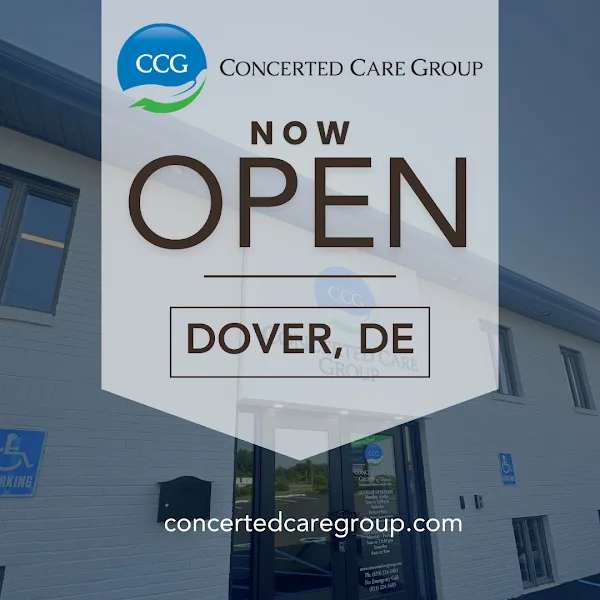
An IOP in Delaware provides a structured and supportive environment for individuals struggling with addiction while allowing them to live at home and maintain some of their daily routines. IOPs offer a balance between intensive therapy and the flexibility of outpatient care. Typically, IOPs in cities like Wilmington, Dover, and Newark involve attending group and individual therapy sessions several days a week, for a few hours each day.
Key Components of an IOP:
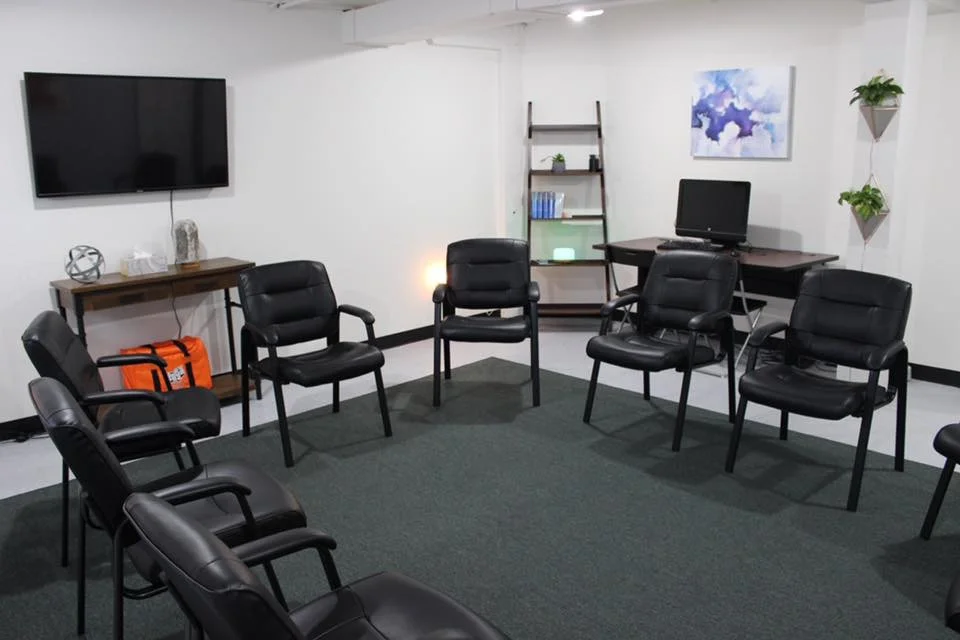
- Group Therapy: A core element of IOPs, group therapy provides a safe space to share experiences, learn coping mechanisms, and build support networks. Common topics include relapse prevention, emotional regulation, and communication skills.
- Individual Therapy: One-on-one sessions with a therapist to address personal challenges, explore underlying issues contributing to addiction, and develop individualized treatment plans.
- Educational Sessions: IOPs often include educational modules on topics such as the science of addiction, the impact of substance use on the brain and body, and healthy lifestyle choices.
- Family Therapy: Addiction affects the entire family system. Family therapy sessions can help improve communication, address codependency, and rebuild trust.
- Medication-Assisted Treatment (MAT): For individuals with opioid or alcohol use disorders, MAT may be integrated into the IOP. MAT involves using medications like naltrexone or buprenorphine, combined with therapy, to reduce cravings and prevent relapse. Access to MAT can be particularly important in areas of Delaware facing specific challenges with opioid addiction.
- Drug and Alcohol Testing: Regular drug and alcohol testing helps monitor progress and ensure accountability.
Benefits of IOPs:
- Flexibility: Allows individuals to maintain their jobs, attend school, and care for their families while receiving treatment.
- Affordability: Generally less expensive than inpatient or residential treatment.
- Real-World Application: Provides opportunities to practice coping skills in real-life situations and receive immediate support when challenges arise.
- Strong Support Network: Fosters a sense of community and connection with others in recovery.
What is a Partial Hospitalization Program (PHP)?
A PHP, also known as a day treatment program, offers a more intensive level of care than an IOP. Individuals in a PHP attend treatment sessions for several hours per day, five to seven days a week. Like IOPs, PHP participants return home in the evenings. PHPs are often a step-down from inpatient treatment or a suitable option for individuals who need more structure and support than a traditional IOP can provide.
Key Components of a PHP:
PHPs in Delaware share many of the same components as IOPs, but with increased intensity and frequency. These may include:
- Intensive Therapy: More frequent and longer therapy sessions, both individual and group.
- Medical Monitoring: Regular check-ins with medical professionals to monitor physical and mental health.
- Psychiatric Services: Access to psychiatrists for medication management and mental health assessments.
- Case Management: Assistance with navigating social services, housing, and employment resources.
- Recreational Therapy: Activities such as art therapy, music therapy, or yoga to promote healing and well-being.
Benefits of PHPs:
- Intensive Support: Provides a high level of structure and support for individuals with more complex needs.
- Medical and Psychiatric Care: Offers access to medical and psychiatric professionals for comprehensive care.
- Transition Support: Helps individuals transition from inpatient treatment to independent living.
Choosing the Right Program in Delaware
Selecting the right IOP or PHP in Delaware is a crucial step in the recovery process. Consider the following factors:
- Location: Choose a program that is conveniently located and accessible. Consider programs in major cities like Wilmington, Dover, or Newark, depending on your proximity and transportation options.
- Accreditation and Licensing: Ensure the program is licensed by the state of Delaware and accredited by a reputable organization such as the Joint Commission or CARF International.
- Treatment Philosophy: Research the program's treatment philosophy and approach. Look for evidence-based practices such as cognitive behavioral therapy (CBT), dialectical behavior therapy (DBT), and motivational interviewing.
- Staff Qualifications: Inquire about the qualifications and experience of the program's staff. Look for licensed therapists, counselors, and medical professionals.
- Insurance Coverage: Verify that the program accepts your insurance plan. Contact your insurance provider to understand your coverage for IOP and PHP services. You can also inquire about payment options and financial assistance programs.
- Specialized Programs: Some IOPs and PHPs offer specialized programs for specific populations, such as adolescents, veterans, or individuals with co-occurring mental health disorders. If you have specific needs, look for a program that can address them.
- Program Schedule: Understand the program's schedule and ensure it aligns with your availability and commitments.
Finding IOP and PHP Programs in Delaware
Here are some resources to help you find IOP and PHP programs in Delaware:
- Delaware Division of Substance Abuse and Mental Health: The state's official website provides information on addiction treatment services and resources.
- SAMHSA's Behavioral Health Treatment Services Locator: An online tool to find treatment programs in your area.
- Your Primary Care Physician: Your doctor can provide referrals to reputable treatment programs.
- Mental Health Professionals: Therapists, counselors, and psychiatrists can offer guidance and recommendations.
- Online Directories: Websites like Psychology Today and FindTreatment.gov list treatment programs and providers.
Recovery is possible. By understanding the options available and seeking the right support, you can embark on a journey towards a healthier and more fulfilling life in Delaware.