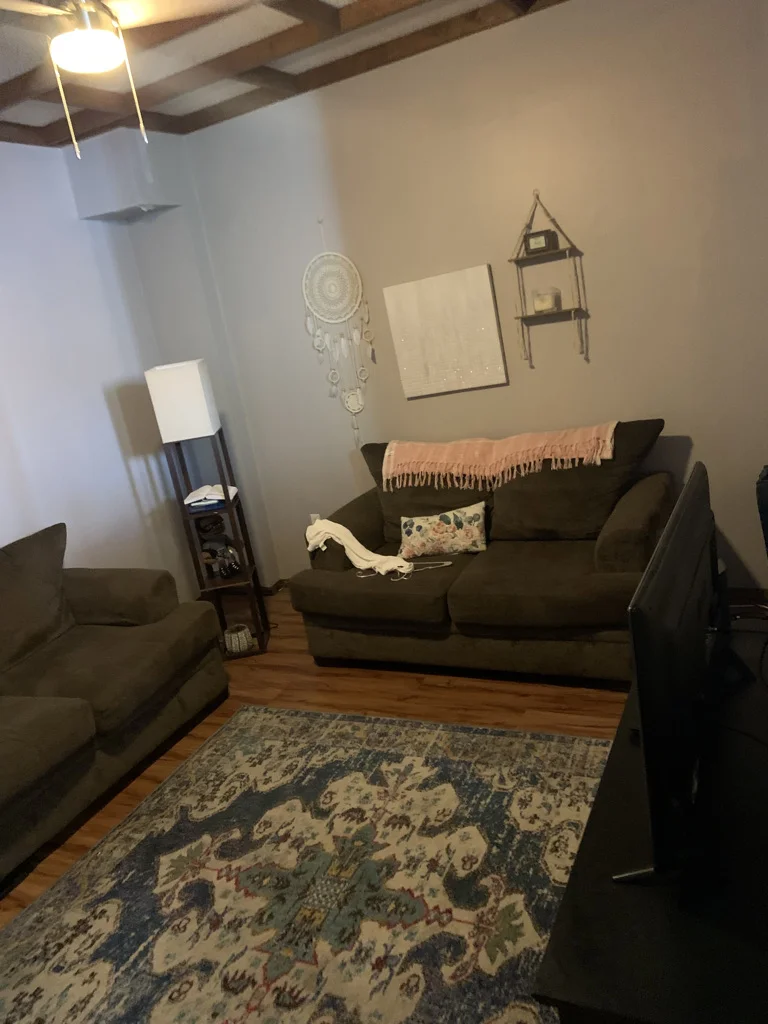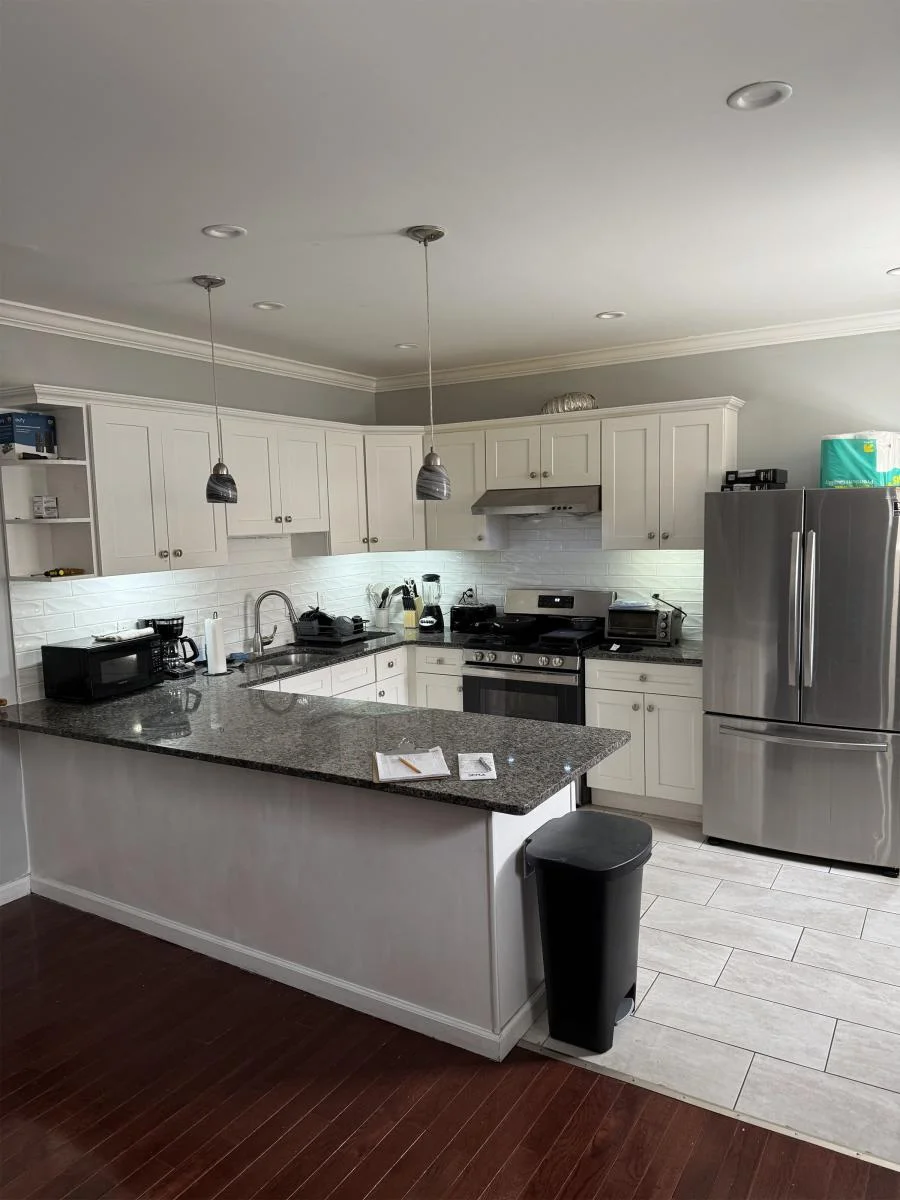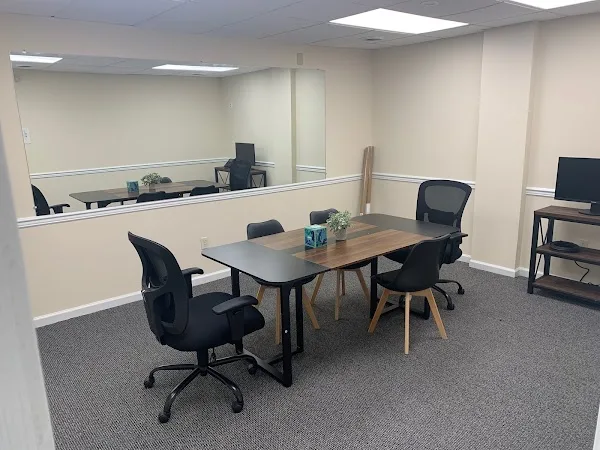
Choosing the right sober living home is a pivotal step in your recovery journey. A supportive environment can significantly impact your chances of long-term sobriety. In Delaware, there are various options available, but not all sober living homes are created equal. This guide will help you navigate the process of finding a suitable sober living home that aligns with your needs and goals.
What Makes a Quality Sober Living Home?
A quality sober living home provides a safe and supportive environment that fosters recovery. Here are some key characteristics to look for:
- Supportive Community: Residents should feel encouraged and supported by both staff and peers.
- Structured Environment: A good sober home will have a daily schedule that includes chores, group meetings, and personal time.
- Accountability: Regular drug and alcohol screenings can help maintain accountability among residents.
- Experienced Staff: Look for homes with staff who are trained in addiction recovery and can provide guidance.
- Focus on Life Skills: Programs that teach life skills, such as job readiness and financial management, are beneficial.
Red Flags to Avoid
While searching for a sober living home, be aware of potential red flags that may indicate a less than ideal environment:
- Lack of Structure: Homes without a clear schedule or rules may not provide the accountability needed for recovery.
- Inadequate Support: If the staff seems untrained or uninterested, it may not be a supportive environment.
- High Turnover Rates: Frequent changes in residents could indicate instability within the home.
- Unsanitary Conditions: A clean and healthy living environment is essential for recovery.
- No Clear Policies: Homes that do not have clear policies regarding drug use, curfews, and visitors may lack the structure necessary for recovery.
Questions to Ask During Tours
When visiting potential sober living homes, it's important to gather as much information as possible. Here are some questions to consider asking:
- What is the admission process?
- What are the house rules and expectations?
- How often are drug screenings conducted?
- What types of support services are available?
- Are there any additional costs beyond the monthly rent?
- How long do residents typically stay?
House Rules and Expectations
Understanding house rules and expectations is crucial before committing to a sober living home. Common rules may include:
- No alcohol or drug use on the premises.
- Regular attendance at house meetings and support groups.
- Completion of household chores and responsibilities.
- Curfews to maintain accountability and structure.
- Respect for other residents' privacy and personal space.
Cost and Financial Assistance
The cost of sober living homes can vary widely. Here are some factors to consider:
- Monthly Rent: Expect to pay anywhere from $500 to $2,000 per month, depending on location and amenities.
- Additional Fees: Inquire about any extra costs for utilities, meals, or activities.
- Insurance Coverage: Check if your health insurance will cover some of the costs.
- Financial Assistance: Some homes may offer scholarships or sliding scale fees based on income.
The Difference Between Level 1 and Level 2 Sober Homes
In Delaware, sober living homes are often classified into two levels:
- Level 1: Typically provide a more relaxed structure and may have fewer requirements for participation in recovery programs.
- Level 2: Offer a stricter environment with more accountability and often require residents to engage in ongoing treatment or recovery services.
How to Find Certified Sober Homes in Delaware
Finding certified sober homes is essential for ensuring a quality experience. Here are some steps to locate them:
- Online Directories: Use resources like the National Alliance for Recovery Residences (NARR) to find certified homes.
- Local Recovery Resources: Reach out to local addiction treatment centers for recommendations.
- Support Groups: Attend meetings such as AA or NA to connect with individuals who may have personal experiences with sober homes.
Success Tips for Sober Living
Once you’ve chosen a sober living home, consider these tips for maximizing your success:
- Engage in the Community: Participate in house meetings and activities to build connections.
- Set Personal Goals: Establish daily and long-term goals to keep yourself motivated.
- Seek Support: Utilize available resources such as counseling and support groups.
- Stay Committed: Remember that recovery is a journey, and commitment is key to your success.
- Practice Self-Care: Take time for yourself to relax and recharge, which is essential for maintaining mental health.
Finding the right sober living home can significantly impact your recovery journey. By being informed and asking the right questions, you can make a choice that supports your path to healing and growth.