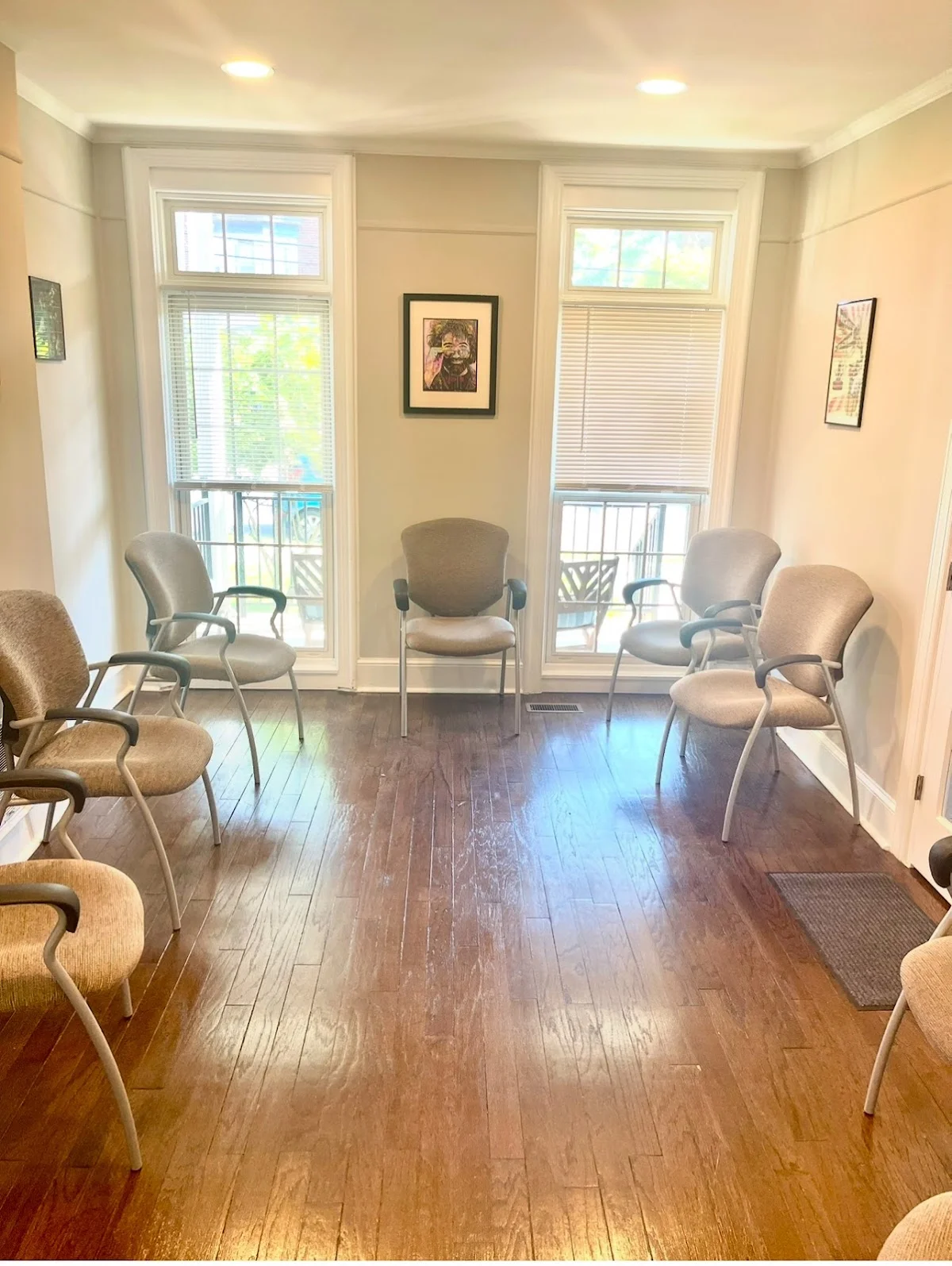
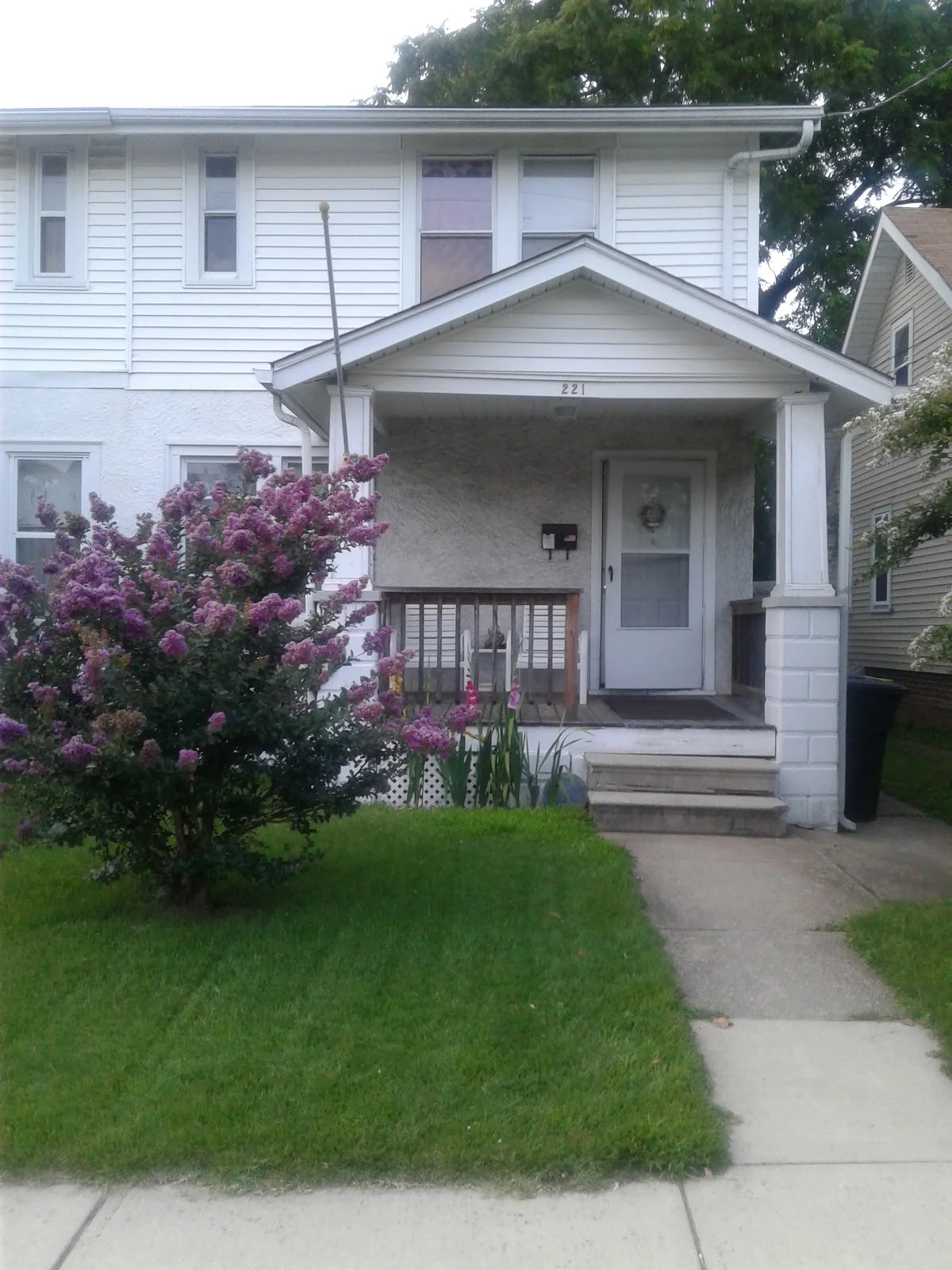
Understanding Medication-Assisted Treatment (MAT) in Delaware
Medication-Assisted Treatment (MAT) is a comprehensive approach to treating substance use disorders, particularly opioid use disorder. In Delaware, MAT combines the use of medications with counseling and support to help individuals achieve recovery. This evidence-based approach recognizes that addiction is a complex condition that affects both the brain and behavior, requiring a multifaceted treatment strategy. By integrating medication with therapy, MAT aims to reduce cravings and withdrawal symptoms while promoting a healthier lifestyle.
Medications Used in MAT
There are several main medications approved for use in MAT, each playing a unique role in the recovery process:
- Suboxone (Buprenorphine): A partial agonist that helps reduce cravings and withdrawal symptoms by binding to the same receptors in the brain that opioids do, but with less intensity. This allows individuals to stabilize their lives without the high associated with full agonists.
- Methadone: A long-acting full agonist that works similarly to opioids but does not provide the euphoric effects when taken as prescribed. It helps ease withdrawal symptoms and cravings, allowing individuals to focus on their recovery.
- Naltrexone (Vivitrol): An opioid antagonist that blocks the effects of opioids on the brain. It is often used after detoxification to help prevent relapse by blocking the euphoric feelings associated with opioid use.
How MAT Works with Counseling
MAT is not just about taking medication; it is a holistic approach that includes counseling and behavioral therapies. Counseling helps patients address the psychological aspects of addiction, providing strategies for coping with triggers and stressors that may lead to relapse. This combination of medication and therapy can significantly improve the chances of long-term recovery.
Finding MAT Providers in Delaware
Accessing MAT in Delaware is crucial for those seeking recovery. Individuals can find MAT providers through various resources:
- Local Health Departments: Many health departments offer MAT programs or can refer individuals to nearby providers.
- Community Mental Health Centers: These facilities often have integrated services that include MAT and counseling.
- Online Directories: Websites such as the Substance Abuse and Mental Health Services Administration (SAMHSA) provide a searchable database of MAT providers by location.
- Support Groups: Recovery support groups can also offer information and referrals to qualified MAT providers.
Insurance Coverage for MAT
In Delaware, many insurance plans cover MAT, but it is essential for individuals to verify their specific benefits. Medicaid and private insurance often include coverage for both medication and counseling services. Patients should check with their insurance provider to understand the extent of their coverage, including any co-pays or restrictions that may apply.
Addressing Stigma Around MAT
Despite the effectiveness of MAT, stigma surrounding its use remains a significant barrier to recovery for many individuals. Misunderstandings about what MAT entails can lead to negative perceptions. It is crucial to educate the community about MAT as a valid and effective treatment option that provides support rather than a crutch. Advocacy and awareness campaigns can play a vital role in reducing stigma and encouraging individuals to seek the help they need.
Success Rates of MAT
Research has shown that MAT is effective in improving outcomes for individuals with opioid use disorder. Studies indicate that MAT can:
- Reduce opioid use and cravings
- Decrease the risk of overdose
- Improve retention in treatment
- Enhance overall health and quality of life
Success rates can vary based on individual circumstances, but MAT has consistently shown to be more effective than abstinence-only approaches.
Who Benefits Most from MAT?
MAT can be beneficial for a wide range of individuals struggling with substance use disorders, particularly those dealing with opioid dependence. However, certain groups may experience enhanced benefits, including:
- Individuals with a History of Relapse: Those who have attempted recovery multiple times may find MAT offers a more stable pathway to long-term success.
- People with Co-occurring Disorders: Individuals with mental health issues alongside substance use disorders can benefit from the integrated approach of MAT and counseling.
- Those Seeking a Comprehensive Treatment Plan: Individuals who are open to combining medication with therapy and support are likely to see better outcomes.
In conclusion, Medication-Assisted Treatment in Delaware offers a compassionate, evidence-based approach to recovery from substance use disorders. By combining medication with counseling and support, individuals can navigate the challenges of addiction and work towards a healthier, fulfilling life.
Sober Network is a directory, not an intake form. Explore local facilities and contact providers directly.