Medical Detox in Delaware: What to Expect and How to Choose
Understanding the Need for Medical Detox
Embarking on the journey to recovery from addiction is a courageous step, and for many individuals in Delaware, that journey begins with medical detoxification. Medical detox is a process designed to safely manage the often-uncomfortable and potentially dangerous withdrawal symptoms that can occur when someone stops using alcohol or drugs. It's crucial to understand that detox is not a cure for addiction, but rather a vital first step towards long-term recovery. It stabilizes the individual, allowing them to then engage in therapy and other treatments to address the underlying causes of their addiction.
Withdrawal symptoms vary greatly depending on the substance used, the duration and severity of the addiction, and individual factors like overall health and genetics. Common substances requiring medically supervised detox include:
- Alcohol: Alcohol withdrawal can range from mild anxiety and tremors to severe and life-threatening delirium tremens (DTs).
- Opioids (Heroin, Prescription Painkillers): Opioid withdrawal is often characterized by intense flu-like symptoms, including muscle aches, nausea, vomiting, diarrhea, and anxiety.
- Benzodiazepines (Xanax, Valium): Benzodiazepine withdrawal can be particularly dangerous, potentially leading to seizures and psychosis.
- Stimulants (Cocaine, Methamphetamine): Stimulant withdrawal often involves intense cravings, depression, fatigue, and anxiety.
Attempting to detox at home without medical supervision can be risky, even deadly. Medical detox provides a safe and supportive environment where healthcare professionals can monitor vital signs, administer medications to alleviate withdrawal symptoms, and address any complications that may arise. This is especially important for individuals with pre-existing medical conditions.
What to Expect During Medical Detox in Delaware
The medical detox process typically involves several key steps:
- Assessment: Upon arrival at a detox facility in Delaware, you'll undergo a thorough medical and psychological assessment. This assessment helps the medical team understand the severity of your addiction, your overall health, and any co-occurring mental health conditions. This assessment will guide the development of your individualized detox plan.
- Stabilization: The primary goal of stabilization is to safely manage your withdrawal symptoms. This may involve medication-assisted treatment (MAT), where medications are used to ease cravings and reduce the severity of withdrawal symptoms. For example, medications like methadone or buprenorphine may be used for opioid withdrawal, while benzodiazepines may be gradually tapered off under medical supervision.
- Monitoring: Throughout the detox process, your vital signs (heart rate, blood pressure, temperature, and respiration) will be closely monitored. This allows the medical team to quickly identify and address any potential complications.
- Support: Detox facilities in Delaware provide a supportive and compassionate environment. Medical staff and counselors are available to provide emotional support and encouragement throughout the process. Many facilities also offer individual or group therapy sessions to help you begin to address the psychological aspects of your addiction.
- Discharge Planning: Before you complete detox, the treatment team will work with you to develop a comprehensive discharge plan. This plan will outline the next steps in your recovery journey, such as residential treatment, outpatient therapy, or support group meetings. Continuing care is essential for maintaining long-term sobriety.
Choosing the Right Medical Detox Center in Delaware
Selecting the right medical detox center in Delaware is a crucial decision. Consider the following factors when making your choice:
- Accreditation and Licensing: Ensure that the detox center is licensed by the Delaware Division of Substance Abuse and Mental Health (DSAMH) and accredited by a reputable organization such as The Joint Commission or CARF International. Accreditation indicates that the facility meets certain quality standards.
- Medical Staff: Inquire about the qualifications and experience of the medical staff. The facility should have a team of physicians, nurses, and other healthcare professionals who are experienced in addiction treatment.
- Treatment Approach: Different detox centers may offer different treatment approaches. Some may focus solely on medication-assisted treatment, while others may integrate holistic therapies such as yoga, meditation, or acupuncture. Consider your personal preferences and needs when evaluating treatment approaches.
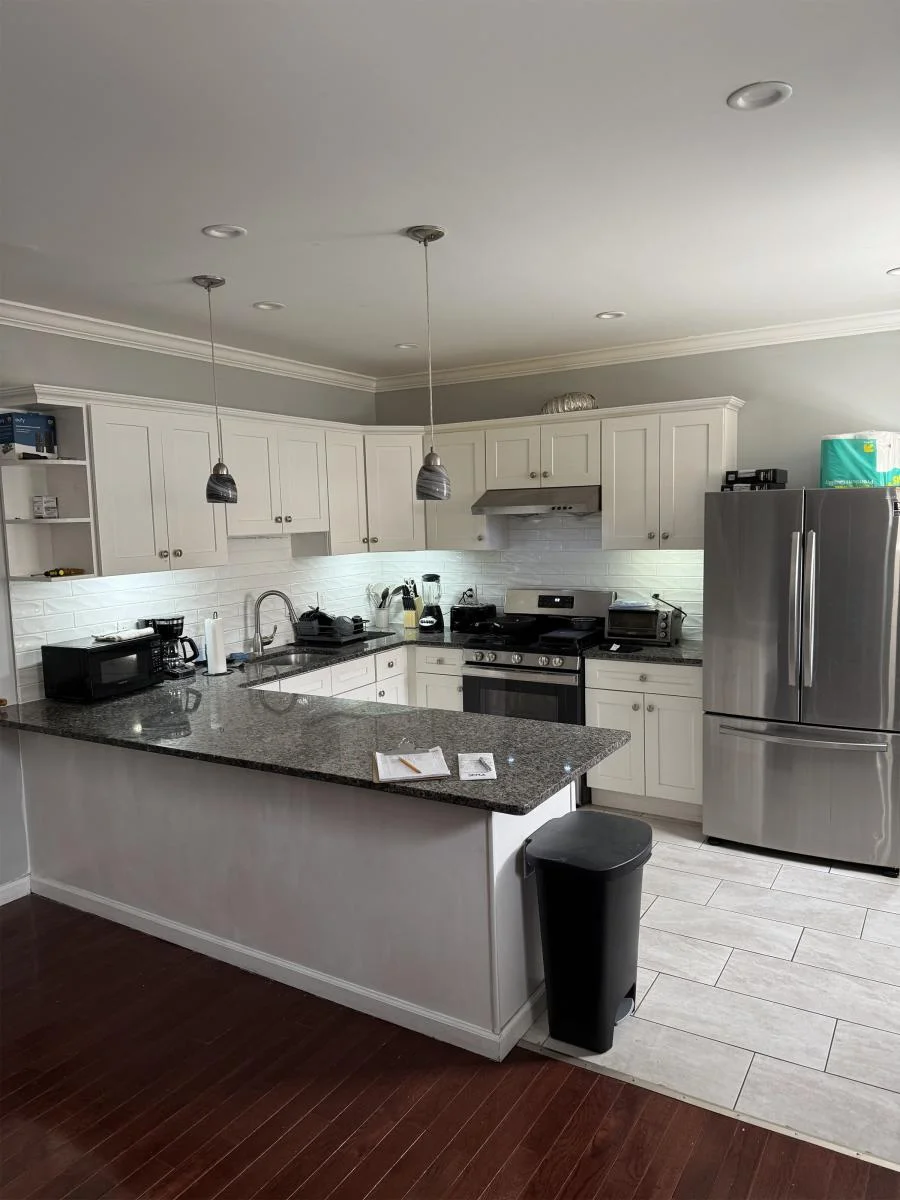
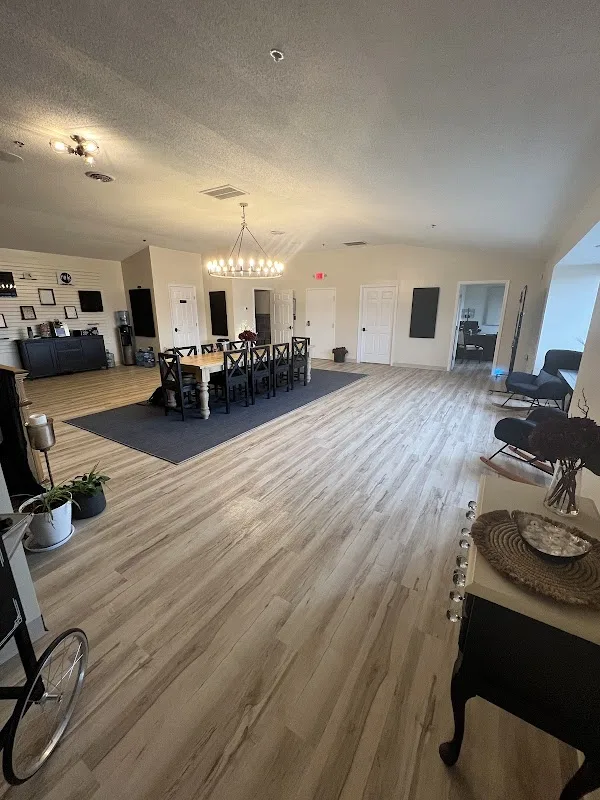
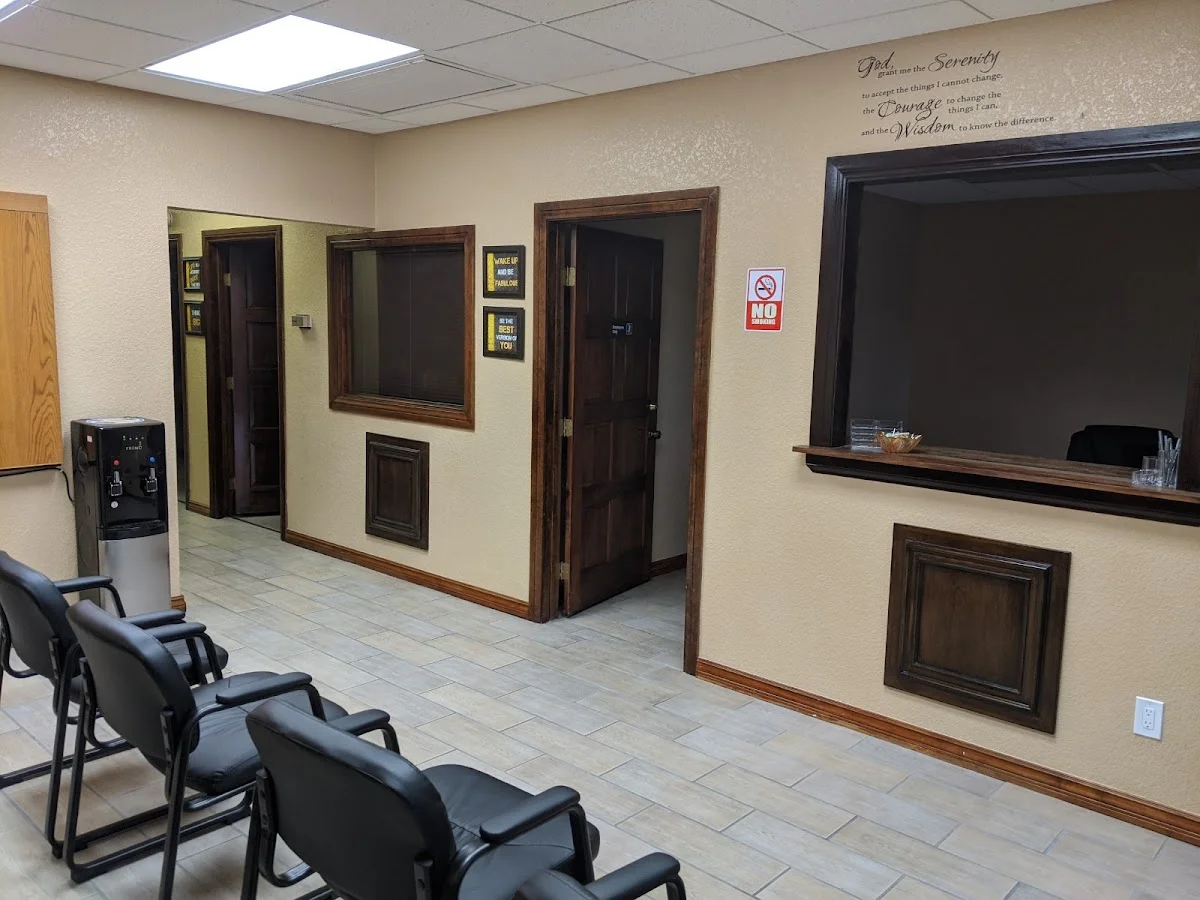
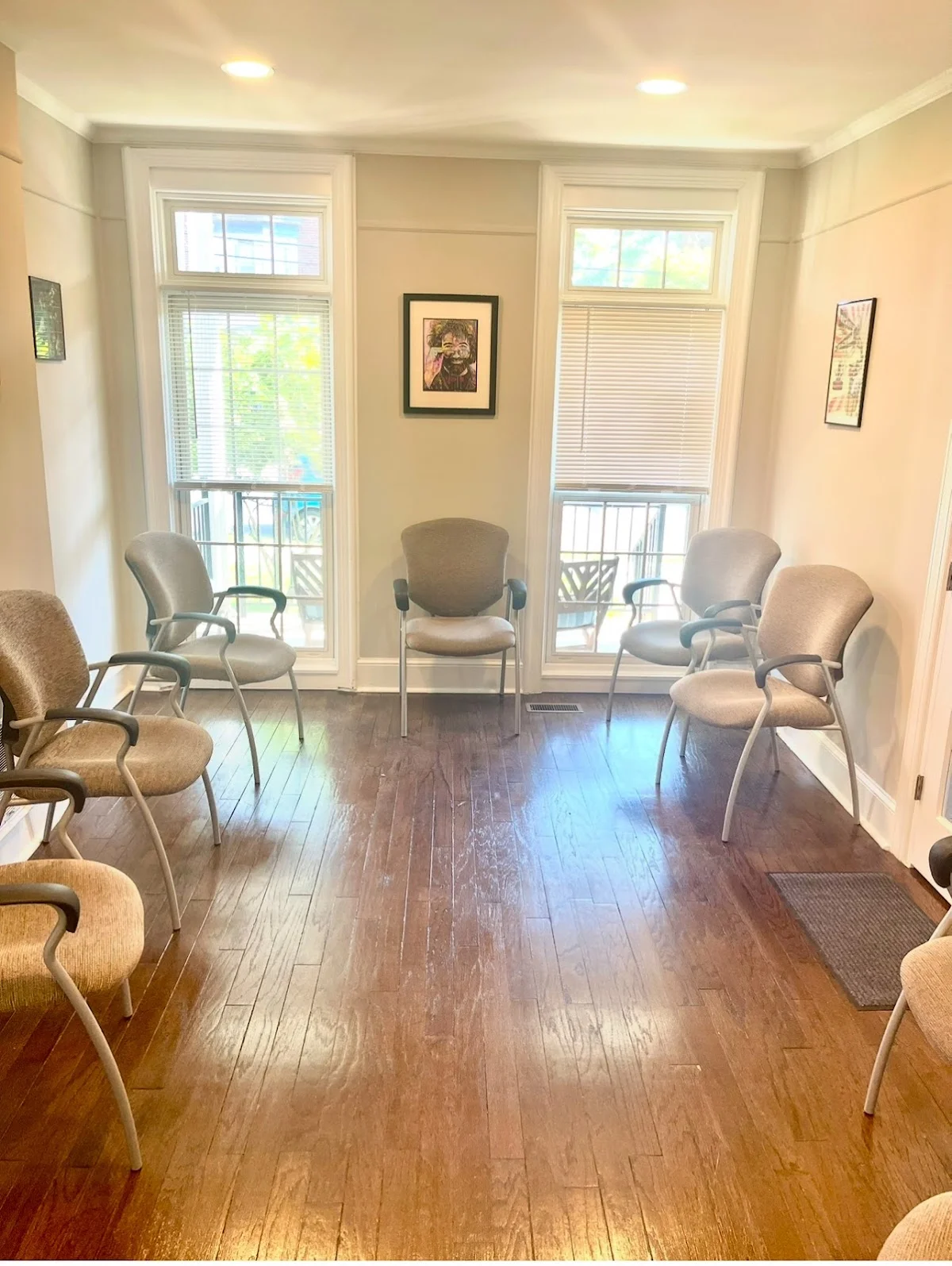
- Amenities and Environment: The environment of the detox center can play a significant role in your comfort and well-being. Consider the amenities offered, such as private rooms, comfortable common areas, and nutritious meals. A calm and supportive environment can help to reduce stress and promote healing.
- Cost and Insurance Coverage: Detox programs can vary in cost. Check with your insurance provider to determine what portion of the detox program is covered. Many facilities also offer payment plans or financial assistance. Delaware Medicaid may also cover some detox services for eligible individuals in Wilmington, Dover, and other cities in the state.
- Location: Consider the location of the detox center. Some people prefer to stay close to home in cities like Newark or Middletown, while others may prefer a more secluded location.
- Aftercare Planning: A good detox center should have a strong focus on aftercare planning. They should work with you to develop a comprehensive plan for continued treatment and support after you leave the facility. This may include referrals to residential treatment programs, outpatient therapy, support groups, or other resources.
Finding Resources in Delaware
Here are some resources that can help you find medical detox services in Delaware:
- Delaware Division of Substance Abuse and Mental Health (DSAMH): The DSAMH website provides information about addiction treatment services in Delaware, including a directory of licensed detox centers. You can also call their helpline for assistance.
- Substance Abuse and Mental Health Services Administration (SAMHSA): SAMHSA's website has a behavioral health treatment services locator that can help you find detox centers and other treatment providers in Delaware.
- Your Primary Care Physician: Your doctor can provide referrals to detox centers and other addiction treatment resources in Delaware.
- Local Hospitals: Many hospitals in Delaware offer medical detox services. Contact the hospitals in your area to inquire about their programs.
Taking the first step towards recovery can feel overwhelming, but remember that you are not alone. Numerous resources are available in Delaware to help you overcome addiction and build a brighter future. With the right support and treatment, lasting recovery is possible for those in Wilmington, Smyrna, and all across the state.
More Recovery Resources in Delaware
Sober Network is a directory, not an intake form. Explore local facilities and contact providers directly.