Delaware Sober Living: Navigating Your First Month
Finding Stability and Support in the First 30 Days
Entering a sober living environment in Delaware is a significant step toward lasting recovery. The first month is crucial, setting the foundation for your journey. This guide outlines what to expect, helping you navigate this period with confidence and clarity in the First State.
Pre-Arrival: Preparing for Your Transition
Before moving into a sober living home in Wilmington, Newark, or any other Delaware community, ensure you've completed any required intake processes. This typically involves:
- Application and Interview: Most sober living homes require an application and an interview (often virtual) to assess your suitability for the program. Be honest about your history and commitment to sobriety.
- Financial Arrangements: Understand the costs involved, including rent, security deposits, and any additional fees for services like drug testing. Many Delaware sober living homes offer payment plans or accept certain insurance types, so inquire about your options.
- Rules and Regulations: Carefully review the house rules. These cover everything from curfew and chores to drug testing and guest policies. Familiarizing yourself with these rules beforehand will minimize surprises.
- Packing Essentials: Pack light and only bring essential items. Most sober living homes have limited space. Focus on comfortable clothing, personal hygiene products, and any necessary medications. Be sure to check the specific guidelines of your chosen residence in Dover regarding what is allowed.
- Communicate with Staff: Don't hesitate to contact the house manager or staff with any questions or concerns before your move-in date. This proactive approach will ease your transition.
Day One: Settling In and Getting Acquainted
Your first day involves settling in and getting to know your new environment and housemates. Expect the following:
- Orientation: The house manager will likely provide an orientation, reiterating the house rules, explaining the daily schedule, and introducing you to the other residents.
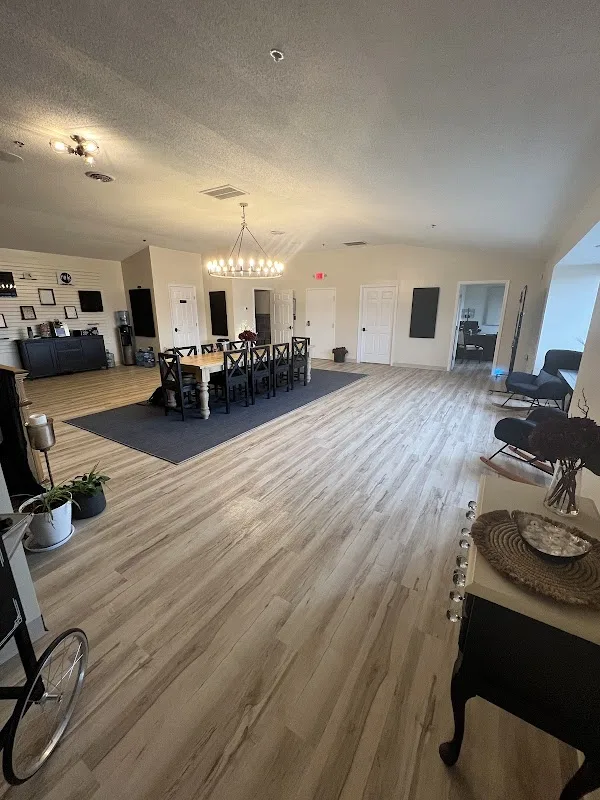
- Room Assignment: You'll be assigned your room, which is typically shared. Take time to unpack and organize your belongings, creating a comfortable personal space.
- Meeting Housemates: Introduce yourself to your housemates. Building positive relationships is vital for creating a supportive community. Remember, everyone is on a similar journey.
- Initial Drug Testing: Most sober living homes in Delaware require an initial drug test upon arrival to ensure compliance with the zero-tolerance policy.
- Attend a Meeting: Many houses encourage residents to attend a 12-step meeting (AA, NA, etc.) on their first day or evening. Find a meeting in your local area using online resources such as meeting finders specific to Delaware.
Week One: Establishing a Routine and Connecting
The first week focuses on establishing a routine and connecting with the community:
- Adhering to the Schedule: Follow the daily schedule, which typically includes chores, group meetings, individual therapy (if required), and free time. Consistency is key to building healthy habits.
- Participating in Chores: Contribute to the upkeep of the house by completing assigned chores. This fosters a sense of responsibility and teamwork.
- Attending House Meetings: House meetings are a regular feature of sober living. They provide a forum to discuss issues, share experiences, and support one another.
- Connecting with Support Networks: Actively participate in group therapy, 12-step meetings, or other support groups. Sharing your experiences and listening to others can be incredibly helpful. Look into local Delaware support groups in your community.
- Finding a Sponsor: If you're involved in a 12-step program, seek out a sponsor who can provide guidance and support.
- Exploring Local Resources: Familiarize yourself with local resources, such as medical facilities, mental health services, and recreational activities in your town.
Weeks Two to Four: Building Momentum and Addressing Challenges
As you move through the first month, you'll begin to build momentum and address any challenges that arise:
- Continued Sobriety: Prioritize your sobriety above all else. Avoid triggers, attend meetings regularly, and utilize your support network.
- Job Searching/Volunteering: If you're unemployed, begin actively searching for a job or volunteering. Having a structured daily activity provides a sense of purpose and helps you build new skills. Many resources are available in Delaware to assist with job seeking.
- Financial Management: Develop a budget and learn to manage your finances responsibly. This is a crucial step towards independence.
- Addressing Conflicts: Conflicts may arise in a shared living environment. Learn to communicate effectively and resolve disputes constructively. Seek guidance from the house manager or a therapist if needed.
- Managing Cravings and Triggers: Be prepared to encounter cravings and triggers. Develop coping mechanisms, such as exercise, meditation, or talking to a trusted friend or therapist.
- Celebrating Milestones: Acknowledge and celebrate your successes, no matter how small. This reinforces positive behavior and boosts your motivation.
- Regular Drug Testing: Continue to comply with regular drug testing to maintain accountability and demonstrate your commitment to sobriety.
Key Considerations for Success in Delaware
- Embrace the Community: Sober living is most effective when you actively engage with the community and build strong relationships with your housemates.
- Follow the Rules: Adhering to the house rules is essential for maintaining a safe and supportive environment for everyone.
- Be Honest and Open: Be honest with yourself and others about your struggles and successes. Open communication is key to building trust and receiving support.
- Seek Professional Help: Don't hesitate to seek professional help from a therapist or counselor if you're struggling with mental health issues or addiction-related challenges. There are many qualified professionals in Delaware.
- Stay Connected to Aftercare: Once you've completed your stay in sober living, continue to engage in aftercare activities, such as therapy, support groups, and alumni events, to maintain your sobriety long-term.
Your first month in a Delaware sober living environment is a period of adjustment and growth. By preparing beforehand, embracing the community, and actively working on your recovery, you can lay a strong foundation for a fulfilling and sober life.
More Recovery Resources in Delaware
Sober Network is a directory, not an intake form. Explore local facilities and contact providers directly.