Women's Sober Living Homes in Delaware: A Guide to Finding Support and Stability
Understanding Sober Living for Women
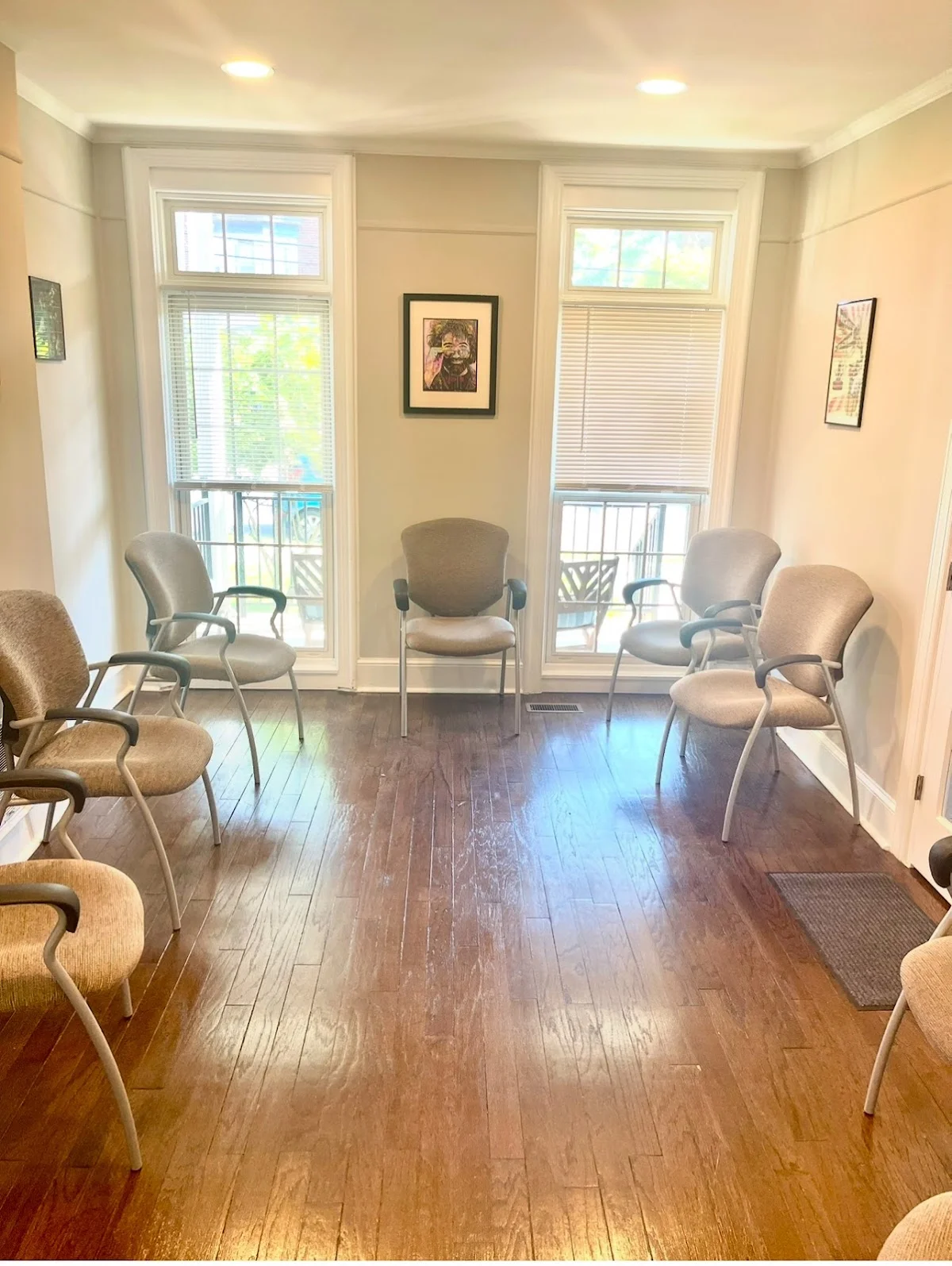
Sober living homes, also known as transitional housing or recovery residences, provide a supportive, structured environment for women in early recovery from substance use disorders. These homes are designed to bridge the gap between intensive treatment programs, such as inpatient rehab or intensive outpatient programs (IOP), and independent living. They offer a safe space where women can practice coping mechanisms, build healthy habits, and integrate back into the community while maintaining their sobriety.
For women in Delaware, sober living homes offer a local support network crucial for long-term recovery. Being close to familiar surroundings, while simultaneously engaging in a structured sober environment, can significantly increase the chances of sustained sobriety.
Why Choose a Women-Specific Sober Living Home?
Women often face unique challenges in addiction and recovery, including experiences of trauma, co-occurring mental health disorders, and societal pressures. Women-specific sober living environments in places like Wilmington and Dover create a safe space where women can address these issues without the added pressures and potential triggers of a mixed-gender environment. These homes foster a sense of community and sisterhood, allowing women to share their experiences, support one another, and build lasting bonds.
- Safety and Comfort: Women-only environments can feel safer and more comfortable, particularly for those with a history of trauma or abuse.
- Shared Experiences: Women can connect with others who understand their unique challenges and offer support without judgment.
- Focused Support: Programs and activities can be tailored to address women's specific needs, such as parenting, relationships, and body image.
- Reduced Distractions: Minimizing potential romantic relationships allows for greater focus on personal recovery.
Key Features of Quality Women's Sober Living Homes in Delaware
When searching for a sober living home in Delaware, consider the following key features to ensure it provides a supportive and effective environment:
- Structured Environment: A well-structured home will have clear rules and expectations regarding curfews, chores, attendance at meetings, and drug testing.
- Drug and Alcohol Testing: Regular, random drug and alcohol testing is essential for maintaining a safe and sober environment.
- House Meetings: Regular house meetings provide a forum for residents to discuss issues, share their experiences, and support one another.
- Individualized Support: Look for homes that offer individualized support, such as case management, counseling referrals, and assistance with job searching or educational goals.
- Connection to Community Resources: The home should be connected to local resources, such as 12-step meetings, mental health services, and vocational training programs in areas like Newark and Middletown.
- Qualified Staff: The staff should be experienced in addiction recovery and trained to provide support and guidance to residents.
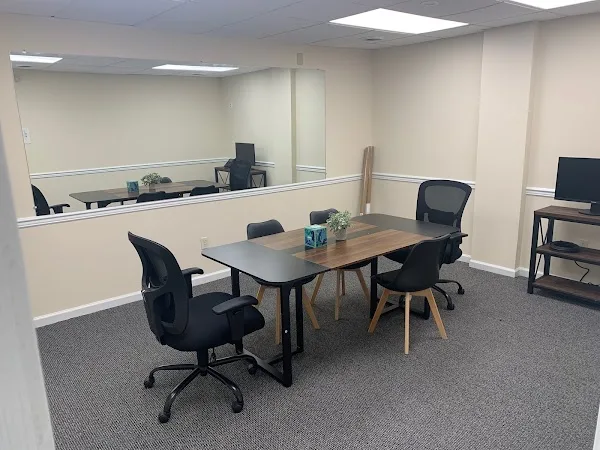
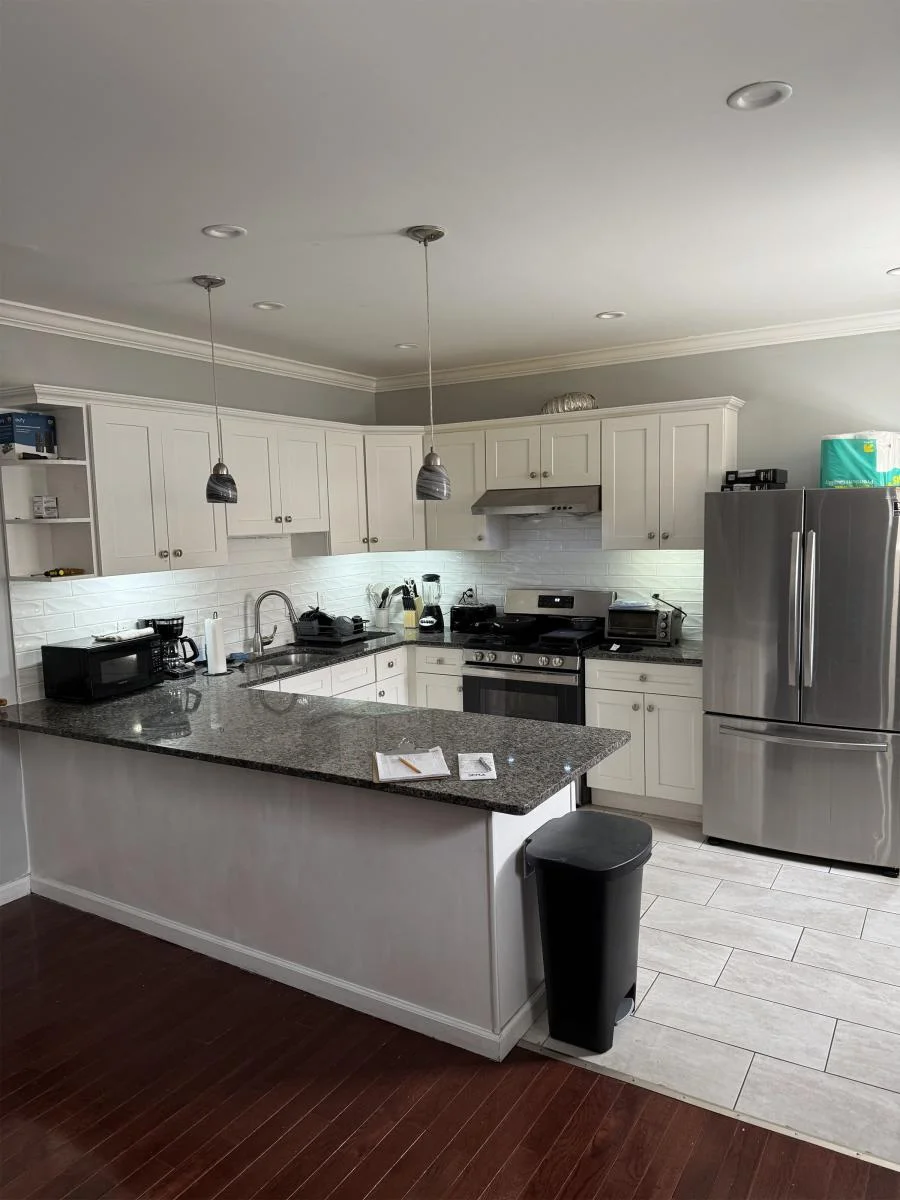
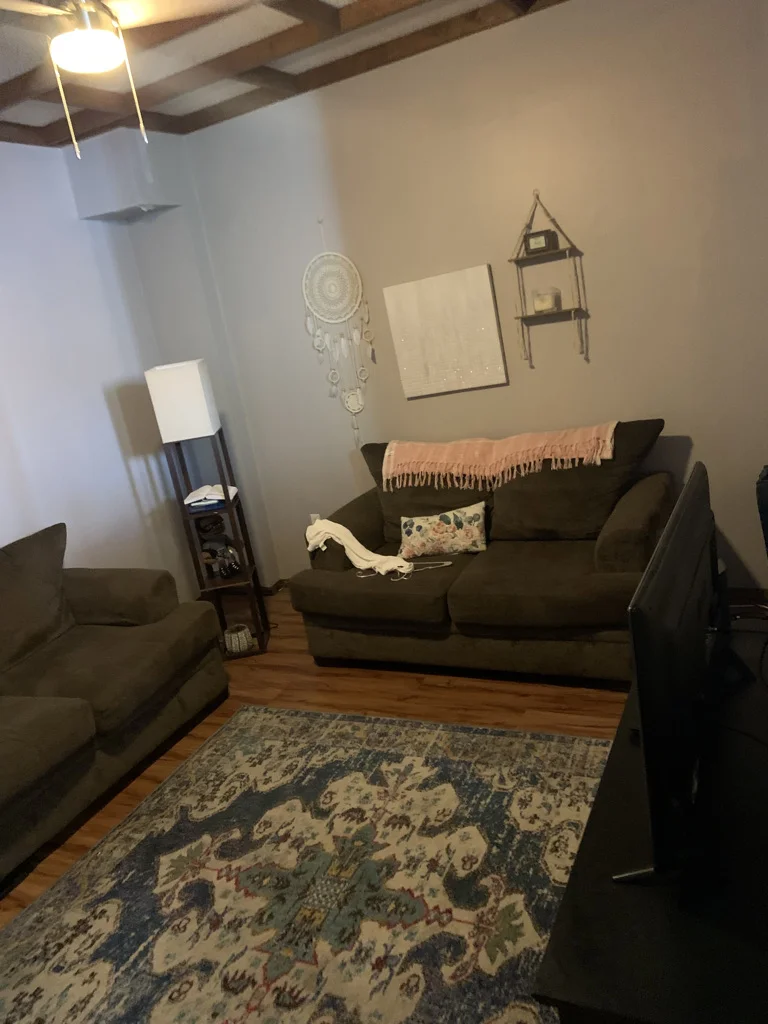
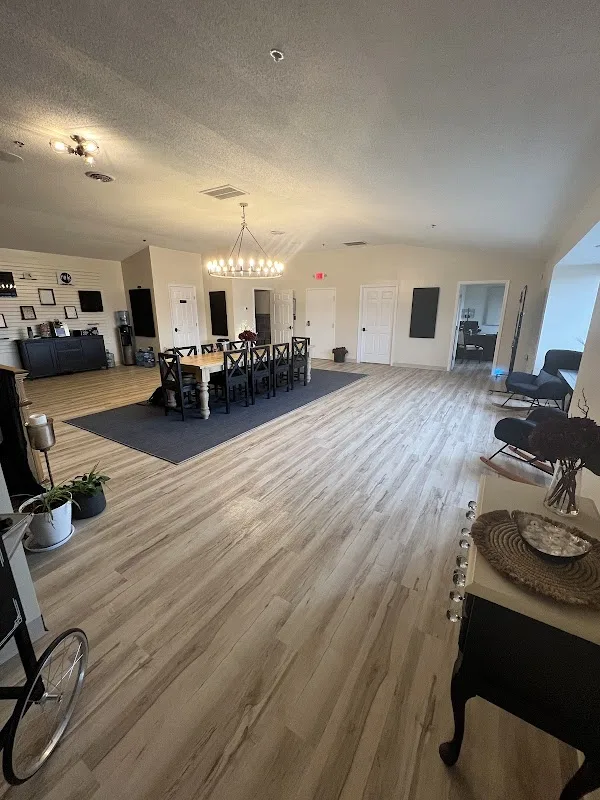
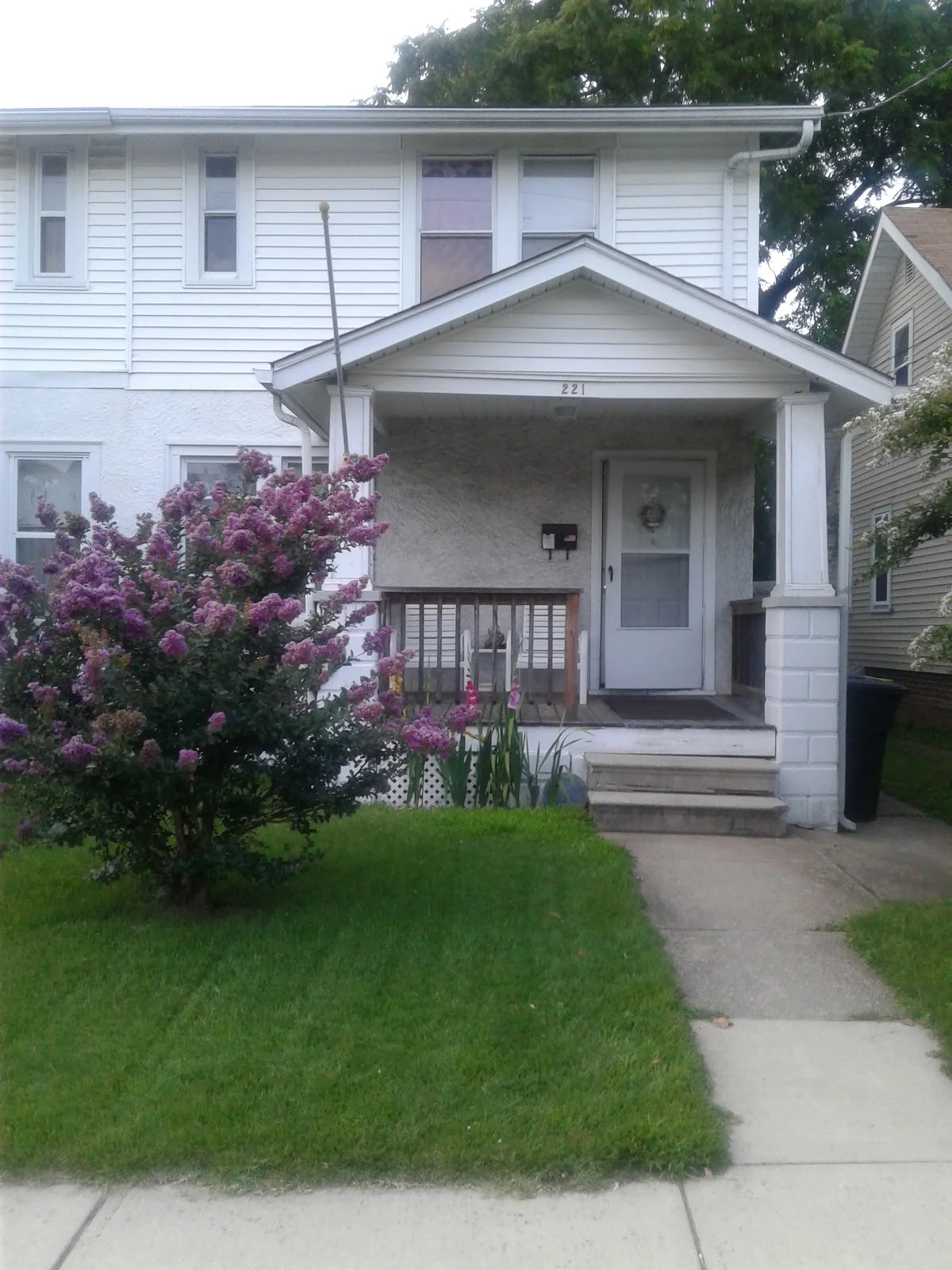
- Clean and Safe Living Conditions: The home should be well-maintained, clean, and safe, providing a comfortable living environment.
Finding Women's Sober Living Homes in Delaware
Several resources can help you find women's sober living homes in Delaware:
- Delaware Division of Substance Abuse and Mental Health (DSAMH): The DSAMH website or hotline can provide information on licensed or certified recovery residences in the state.
- SAMHSA's Behavioral Health Treatment Services Locator: This online tool allows you to search for treatment facilities, including sober living homes, by location and specific needs.
- Referral from Treatment Centers: Many inpatient and outpatient treatment centers in Delaware have relationships with local sober living homes and can provide referrals.
- Online Directories: Websites dedicated to addiction recovery resources often list sober living homes by state.
- Word of Mouth: Talk to therapists, counselors, or other individuals in the recovery community in Delaware who may have recommendations.
Questions to Ask When Evaluating a Sober Living Home
Before committing to a sober living home, it's essential to ask questions and gather information to ensure it's the right fit. Consider asking the following:
- What are the rules and expectations of the house?
- What is the cost of rent and what is included (e.g., utilities, food)?
- How often are drug and alcohol tests conducted?
- What type of support services are offered (e.g., case management, counseling referrals)?
- What is the staff-to-resident ratio?
- What are the consequences for violating house rules?
- Is the home licensed or certified by the state of Delaware?
- What is the average length of stay for residents?
- What is the home's philosophy on recovery (e.g., 12-step, SMART Recovery)?
- What are the visiting hours and policies?
The Cost of Sober Living in Delaware
The cost of sober living homes in Delaware can vary depending on several factors, including the location, amenities, and level of support provided. Generally, you can expect to pay weekly or monthly rent. It's important to inquire about all costs upfront, including rent, utilities, and any additional fees. Some sober living homes may accept insurance or offer payment plans.
Making the Transition to Sober Living
Transitioning to a sober living home can be a significant step in your recovery journey. Here are some tips for making the transition smoother:
- Prepare Mentally: Understand that sober living is a structured environment with rules and expectations. Be prepared to follow those rules and participate in the house community.
- Pack Appropriately: Ask the sober living home for a list of what to bring and what to leave behind.
- Communicate Openly: Talk to the staff and other residents about any concerns or challenges you're facing.
- Get Involved: Attend house meetings, participate in activities, and build connections with other residents.
- Utilize Support Systems: Continue attending therapy, 12-step meetings, or other support groups.
- Focus on Your Recovery: Prioritize your sobriety and make healthy choices.
Long-Term Success After Sober Living
Sober living is a stepping stone to independent living and long-term recovery. To maximize your chances of success after leaving a sober living home in Delaware, consider the following:
- Develop a Solid Support System: Maintain connections with sober friends, family members, and support groups.
- Continue Attending Meetings: Regularly attend 12-step meetings or other recovery groups.
- Engage in Therapy: Continue therapy or counseling to address underlying issues and develop coping skills.
- Establish a Routine: Create a daily routine that includes healthy habits, such as exercise, healthy eating, and self-care.
- Set Goals: Set realistic goals for your career, education, and personal life.
- Give Back: Volunteer or mentor others in recovery.
Finding the right women's sober living home in Delaware can be a crucial step in your journey to lasting sobriety. By understanding the key features of quality homes, asking the right questions, and preparing for the transition, you can set yourself up for success.
More Recovery Resources in Delaware
Sober Network is a directory, not an intake form. Explore local facilities and contact providers directly.