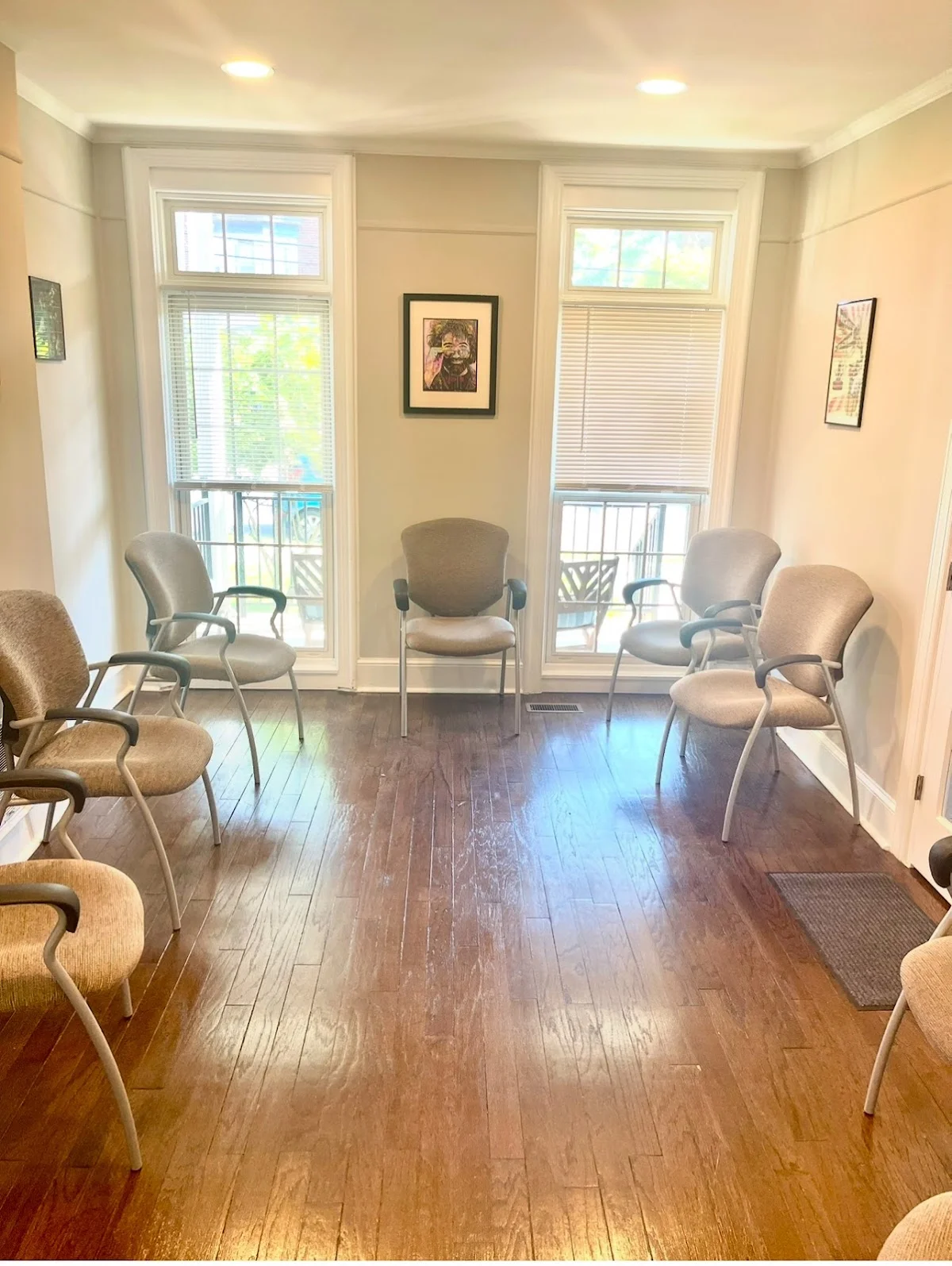
Dual diagnosis, also known as co-occurring disorders, refers to the simultaneous presence of a mental health disorder and a substance use disorder in an individual. This complex condition often requires specialized treatment approaches that address both issues concurrently. In Delaware, DE, individuals grappling with dual diagnosis have access to various treatment options designed to foster recovery and promote mental well-being.
Entendendo o diagnóstico duplo
Dual diagnosis is a term used when someone has both a mental health disorder and a substance use disorder. This relationship can be intricate, as one disorder can exacerbate the other. For instance, an individual with depression might turn to alcohol or drugs as a coping mechanism, while substance use can intensify feelings of anxiety or depression, creating a vicious cycle that can be difficult to escape.
Condições comuns que ocorrem simultaneamente
Several mental health conditions frequently co-occur with substance use disorders. Some of the most common include:
- Depressão: Individuals with depression may seek relief through substance use, which can lead to increased feelings of hopelessness and despair.
- Transtornos de Ansiedade: Many people with anxiety turn to drugs or alcohol to self-medicate, but these substances often worsen anxiety symptoms over time.
- Transtorno de Estresse Pós-Traumático (TEPT): Those who have experienced trauma may use substances to numb overwhelming feelings, leading to further complications in their recovery.
- Transtorno bipolar: The mood swings associated with bipolar disorder can lead individuals to misuse substances during manic episodes or as a way to cope with depressive episodes.
A importância do tratamento integrado
Integrated treatment is crucial for individuals with dual diagnosis because it recognizes the interplay between mental health and substance use disorders. Here are some reasons why integrated treatment matters:
- Atendimento integral: Integrated treatment programs provide a holistic approach that addresses both the mental health and substance use aspects of a person’s condition, leading to more effective outcomes.
- Improved Engagement: When treatment is tailored to meet the unique needs of individuals with dual diagnosis, they are more likely to engage in their recovery process.
- Redução do risco de recaída: Addressing both disorders simultaneously can help reduce the risk of relapse, as individuals learn healthier coping mechanisms for both their mental health and substance use issues.
Finding Dual Diagnosis Programs in Delaware
Delaware offers a variety of treatment options for those seeking help for dual diagnosis. Here are some steps to find appropriate programs:
- Research Local Facilities: Look for treatment centers in Delaware that specialize in dual diagnosis. Many facilities offer integrated treatment programs that combine mental health and substance use disorder therapies.
- Consulte os profissionais de saúde: Speak with a healthcare professional who can provide referrals to reputable dual diagnosis programs and help you understand the treatment options available.
- Utilize Online Resources: Websites such as the Substance Abuse and Mental Health Services Administration (SAMHSA) provide a searchable database of treatment facilities, including those that offer dual diagnosis care.
- Check Insurance Coverage: Before committing to a program, verify your insurance coverage to understand what services are included and what costs may be incurred.
Como obter ajuda
If you or a loved one is struggling with dual diagnosis in Delaware, taking the first step toward recovery can feel overwhelming. Here are some practical steps to consider:
- Entre em contato para obter ajuda: Talk to someone you trust about your struggles. This could be a friend, family member, or mental health professional who can provide support and guidance.
- Contact a Treatment Center: Call or visit a local treatment center to discuss your situation and learn about the programs they offer. Many centers have trained professionals who can help you understand your options.
- Participate in Support Groups: Joining a support group can provide a sense of community and understanding. Many organizations offer support groups specifically for individuals facing dual diagnosis.
- Be Patient: Recovery from dual diagnosis is a journey that requires time and patience. Be kind to yourself throughout the process and remember that seeking help is a courageous step toward a healthier future.
In conclusion, dual diagnosis is a challenging but treatable condition. With the right support and integrated treatment options available in Delaware, individuals can find hope and healing on their path to recovery.
More Recovery Resources in Delaware
Sober Network is a directory, not an intake form. Explore local facilities and contact providers directly.